
 7
 1
 34
 7

 63

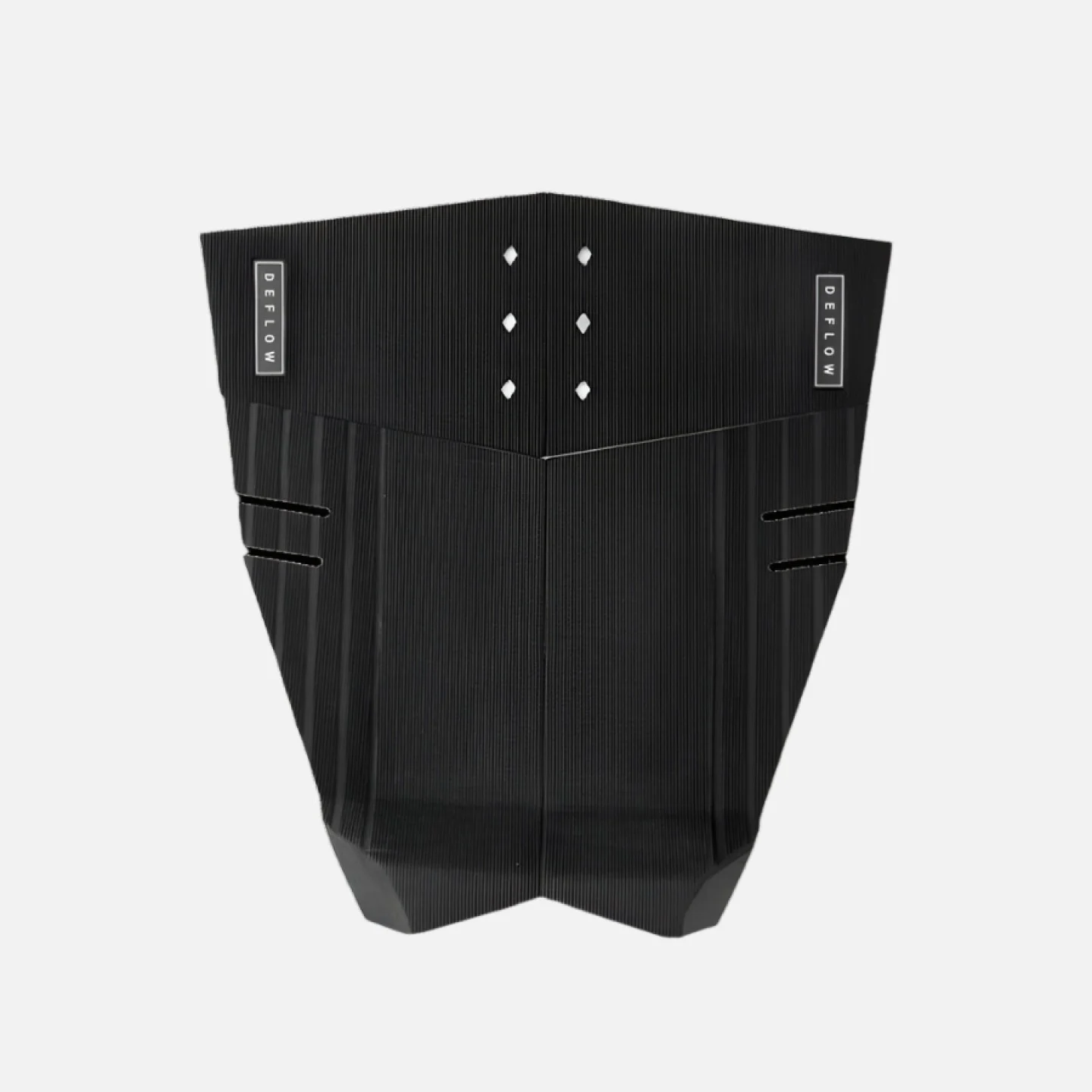
Compare the pad with your board shape and the area you want to cover. Piece count, dimensions and the listed construction details help you choose. Follow the accessory manufacturer’s own instructions when fitting it.
Identify the area you want to cover
Explain whether you need a rear pad or traction for another part of the board. Look at the available space, curves and accessories already fitted. A layout copied from a different board is not automatically a suitable template for yours.
Compare more than the colour
Piece count can change how you arrange a pad across the surface. Check dimensions and any stated arch or kick details. Do not infer a particular thickness, material or grip performance from a photograph alone. Compare the available surf traction pads by their exact references.
Check the layout before exposing the adhesive
Before removing protective backing, review your intended layout and the manufacturer’s instructions. Make sure you can follow the required surface preparation and waiting time. Starting an adhesive installation is not the same as trying on a garment; check the applicable conditions before handling the backing.
Avoid improvised surface treatment
A surface may still contain residues that are not obvious. Do not use an aggressive product without checking its compatibility with the board and accessory. If removing an old pad, ask about a suitable method rather than pulling or scraping indiscriminately. Get help with placement before sticking if uncertain.
Use a photograph when asking for advice
A photograph of the area, board dimensions and a link to the pad make an enquiry specific. Check your leash and fin system separately when preparing the rest of the equipment. A pad fitting your board does not validate the other components.